Why Believe in God if Science Exists?
The question is usually not whether God exists. It is whether He still has a job if science can explain everything. The two were never rivals. On the biblical account, science is the assigned work.
The question is usually not whether God exists. It is whether He still has a job if science can explain everything. The two were never rivals. On the biblical account, science is the assigned work.
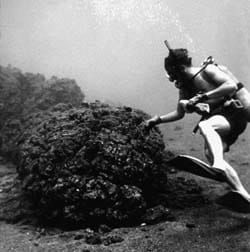
Dating methods measure something real. Turning that measurement into a date means assuming what the world was like while the clock ran. When that assumption is wrong the error runs one way — and where it holds, the same methods read true. Both lists, stated up front.

Nineteen lines of evidence across seven disciplines. One measures the date; the rest are constrained by it — which is nineteen places the argument can break, not nineteen votes in its favor.
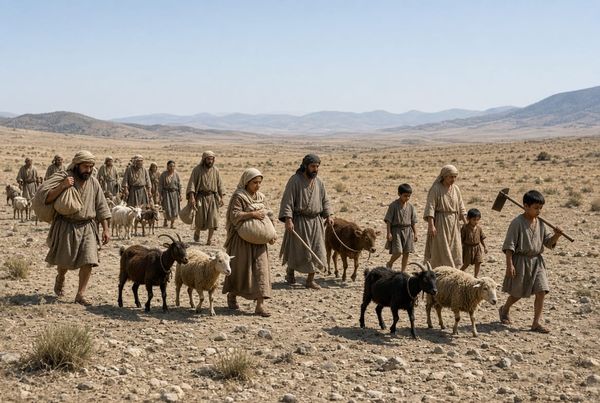
Part Three of the Differentiation Series. They walked out of Shinar with uneven knowledge. Every clan could farm and keep a fire. Only some could smelt, administer, or raise a city. Civilization did not have to be invented. Population had to catch up to what they already knew.
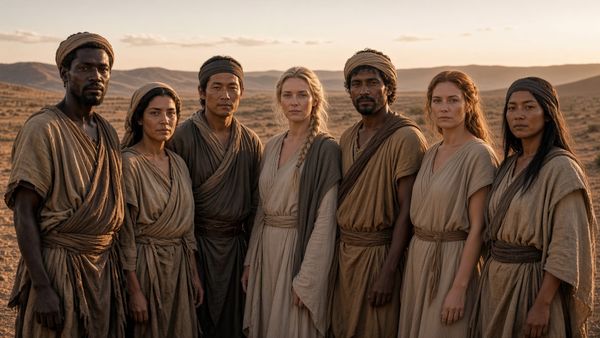
Part Two of the Differentiation Series. They left the Shinar plain as one people who could no longer speak to each other. Two hundred generations later the surface traits had locked — skin, hair, stature — while the rest of the genome still reads as a single kind
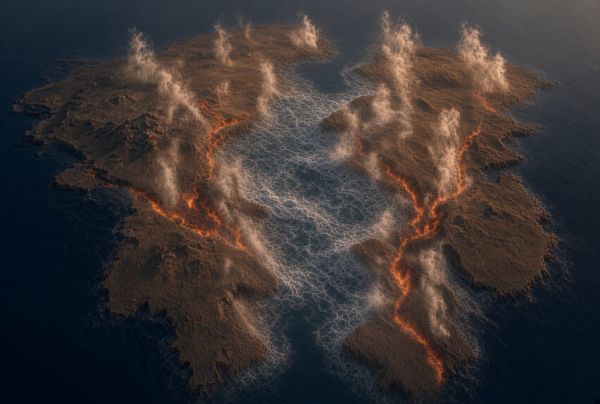
The ocean floor is heavier than the mantle holding it up. An unbroken shell carries that load until it can't — and what a shell in that state does when it goes is calculable from published rock mechanics.
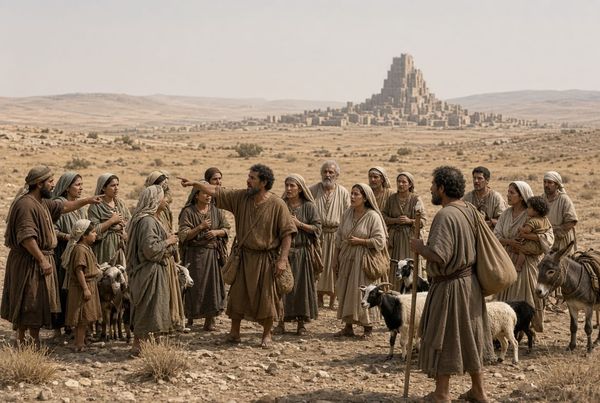
Part One of the Differentiation Series. Eight survivors, two hundred years of growth, a language event that scattered 25 families onto every corridor the recovering planet would open. The genetic clock starts ticking the moment the clans separate.
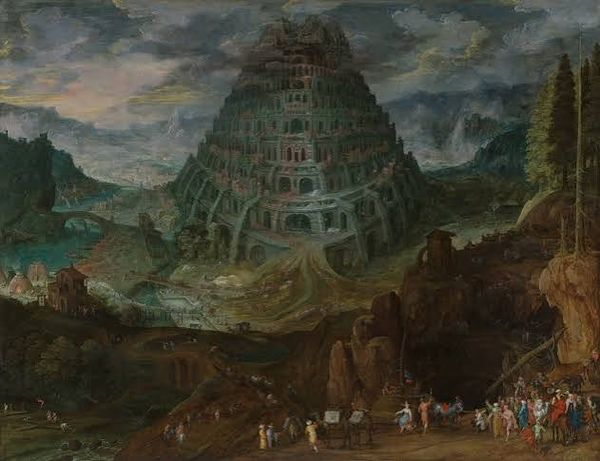
Familiar readings of Babel assume a punishment. But Genesis names no sin there, no anger, and no grief — only a capability, caught at the moment it had begun. Set against a purpose God fixed before the world existed, the scattering reads as something else entirely.
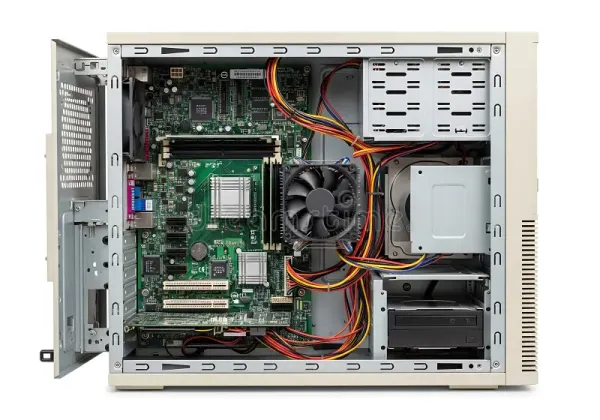
The cell isn't built like a computer — but it is a computational system: code, hardware, and an operating system, all in chemistry. A plain-language tour of the architecture, and a door into the full five-part series.
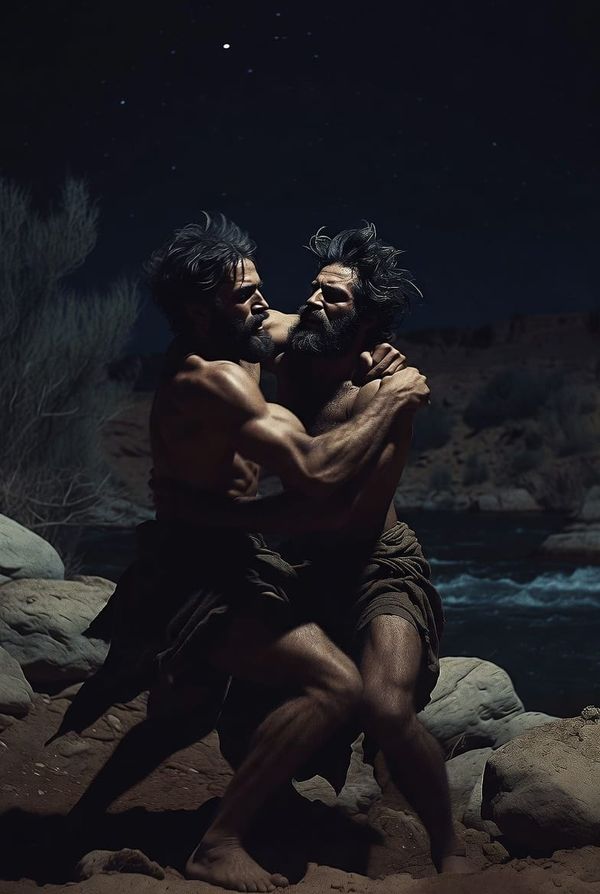
You're furious with God, and ashamed of the fury. But you cannot accuse someone you don't believe is there.
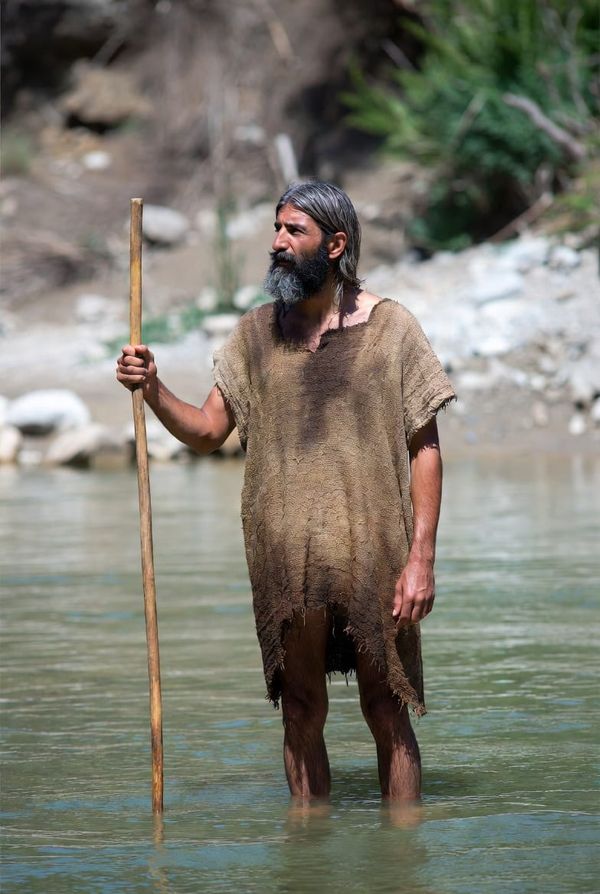
The most famous baptizer who ever lived wanted to make sure you didn't mistake his water for the main event.
You already read Scripture by mode. You just do it on instinct, inconsistently — which is why it fails you at the hard verse.

Explorations
Most believers agree on paper that God wants to be with them, and live as though he's too busy. That flinch isn't humility — it's a quiet accusation.

Foundations
Science — a tool for seeking truth, or a bludgeon for winning an argument? Same method, opposite uses — and the difference is entirely in what you want from it.
Explorations
Why the Bible's "slavery" and the slavery you're picturing are not the same institution.
Canyon Series
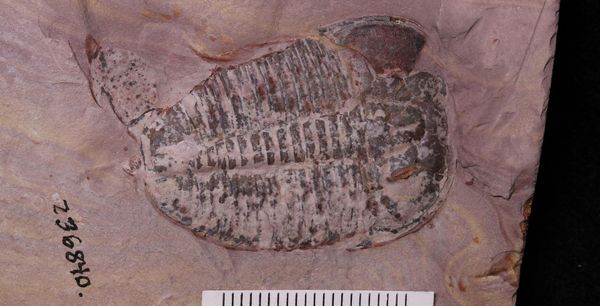
Story Three of the Canyon Series. The shop owner sorted her fossils by completeness and priced them by quality. She'd been grading burial speed for twenty-two years. Her grandmother called it a cabinet of last moments.
Diaspora Series
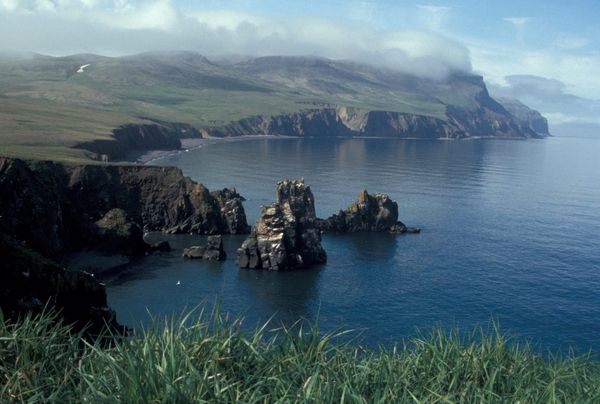
Diaspora Series comparative paper. Two models, one dataset. Which explains the continental rosters more cleanly — deep-time drift and rare dispersal, or five temporary land bridges opened by one master clock?
Canyon Series
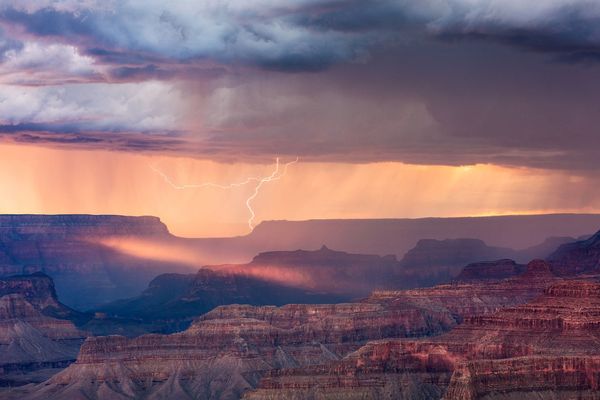
Story Two of the Canyon Series. The monsoon came early. The wash demonstrated a process the grandmother always knew. What nobody has modeled is how big the water had to be.
Deposition Series
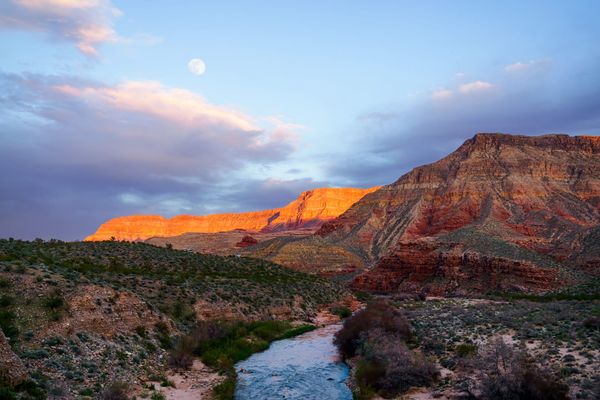
Head-to-head on nine observables. The conventional model explains each formation separately across hundreds of millions of years. The master-clock model derives deposition and carving from one velocity curve. The scorecard is published.
Deposition Series
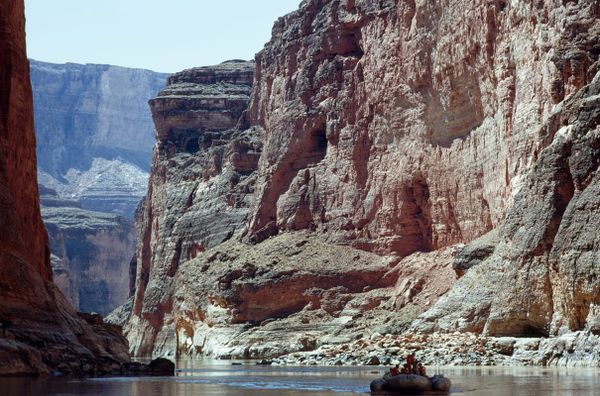
Part Three of the Deposition Series. The dust settled. The rocks remembered. Now the ice melts and the water cuts. Meltwater discharge, episodic flooding, and the canyon that should not have taken millions of years.
Deposition Series
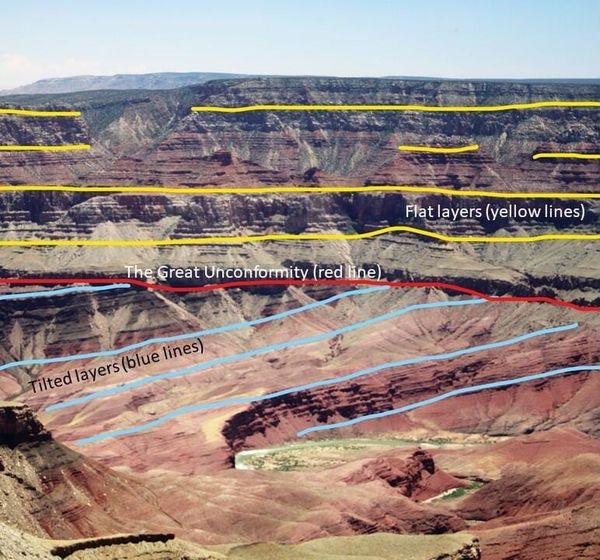
Part Two of the Deposition Series. The model from Part One made predictions. The Tapeats Sandstone and the Flinders Ranges have published data. Either the predictions match or they don't.
Deposition Series
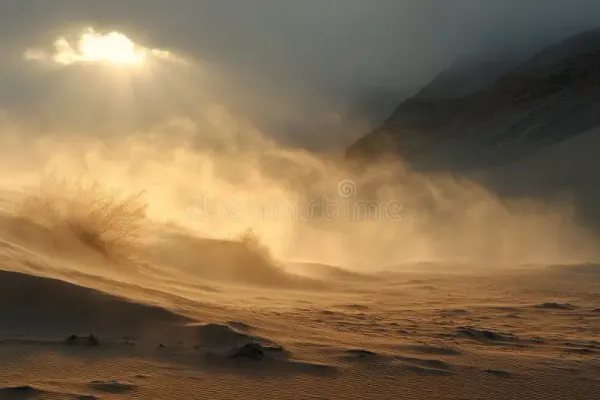
Part One of the Deposition Series. The geological column looks like time. It could also look like a wind-sorting sequence under catastrophic conditions. The physics doesn't care which story you prefer.
Diaspora Series
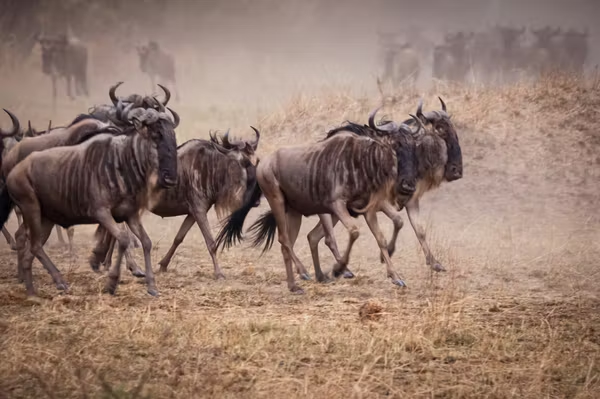
Part Three of the Diaspora Series. The corridors opened. The kinds walked. The bridges closed. Every continent's fauna looks exactly like the result of a competitive tournament whose participants were determined by who made it through before the door shut.

Diaspora Series
Part Two of the Diaspora Series. Every number derives from a single source: plate velocity as a function of time. The land bridges open early — though only after the new sea floor solidifies — and the conclusion is robust across the uncertainty.